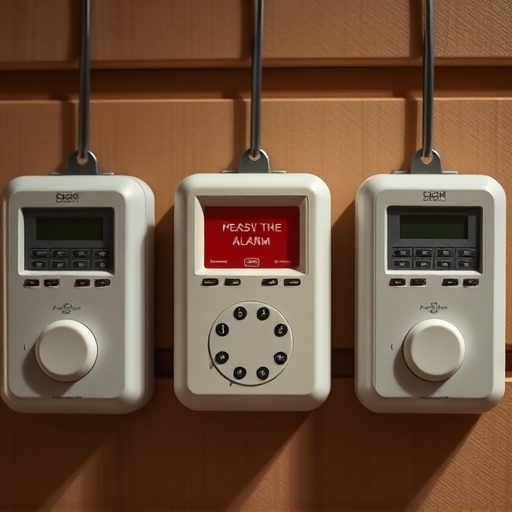
Personal distress signals are crucial for self-defense, using verbal pleas, body language, or distinctive sounds (30-100m range) to alert bystanders and authorities. Modern technology offers GPS-enabled personal alarms with customizable volume and range, enhancing safety for solo travelers. The best sound is loud, distinct, high-pitched (50-100m distance), like a piercing whistle or combination blares and whistles, cutting through urban noise to ensure swift assistance.
Personal distress signals, now enhanced with tracking capabilities, offer unprecedented safety nets in our modern world. This comprehensive guide delves into understanding these signals – subtle or intense – that alert others to personal emergencies. We explore how tracking technology revolutionizes personal safety, highlighting the significance of optimal alarm sounds and distance. Learn about best practices for setting off alarms effectively, ensuring swift response times in critical situations, and discover why these features are indispensable tools for anyone prioritizing safety.
- Understanding Personal Distress Signals: A Comprehensive Guide
- Tracking Technology: Enhancing Safety with Personal Alarms
- Optimal Alarm Sounds and Distance: Best Practices for Emergency Situations
Understanding Personal Distress Signals: A Comprehensive Guide
Personal distress signals are unique to each individual, making them a critical component of self-defense and emergency preparedness. Understanding what constitutes a personal distress signal is essential for effective communication during emergencies. These signals can include verbal pleas, specific body language, or even distinctive sounds that alert bystanders or authorities to an individual’s distress. By recognizing these signals, you empower yourself to respond swiftly and appropriately in critical situations.
When it comes to the best personal alarm sound distance, experts suggest a combination of loudness and distinctiveness. A high-decibel alarm with a unique tone or pattern can attract attention quickly from a reasonable distance—typically around 30-100 meters, depending on environmental factors. This range ensures that your signal is audible without causing unnecessary panic in nearby areas. Effective personal distress signals should be designed to stand out and be easily recognizable, especially in noisy urban environments where hustle and bustle can mask weaker sounds.
Tracking Technology: Enhancing Safety with Personal Alarms
In today’s digital era, tracking technology has evolved significantly, offering innovative ways to enhance personal safety. One such advancement is the development of personal alarms with built-in tracking capabilities. These devices go beyond traditional alarms by providing real-time location data, ensuring peace of mind for individuals concerned about their well-being. The best personal alarm sound and distance play a pivotal role in effective deployment.
A powerful and unique alarm sound acts as a distress signal, quickly catching the attention of nearby individuals or emergency services. Advanced tracking systems enable users to share their exact location with trusted contacts or authorities, facilitating swift response times. With adjustable settings for volume and range, personal alarms cater to diverse needs, ensuring that help can arrive promptly during emergencies while offering added security for solo travelers or those in remote areas.
Optimal Alarm Sounds and Distance: Best Practices for Emergency Situations
When it comes to personal distress signals, the choice of alarm sound and distance is crucial for effective communication in emergency situations. The best personal alarm sound should be loud, distinct, and easily recognizable. It’s ideal to opt for high-pitched tones as they tend to grab attention faster than lower frequencies. Consider sounds like a piercing whistle or a combination of blares and whistles that are commonly used in safety devices.
In terms of distance, it’s recommended to activate your distress signal at a range that allows bystanders to hear it clearly. A good rule of thumb is to aim for around 50-100 meters (approximately 164-328 feet), ensuring your alarm reaches nearby buildings or public spaces where help can quickly be sought. This distance also considers the potential obstacle of noise from bustling areas, allowing your signal to stand out and attract attention.
Personal distress signals equipped with tracking capabilities offer a revolutionary way to enhance personal safety. By understanding these signals and leveraging tracking technology, individuals can ensure swift assistance during emergencies. Optimizing alarm sounds and distance is crucial for effective communication of distress, making it vital to consider best practices such as the ideal alarm volume and range. With the right tools and knowledge, we can create a safer environment where folks can feel secure, knowing help is on the way if needed.